The Book, the Sojourner, and the Bridge
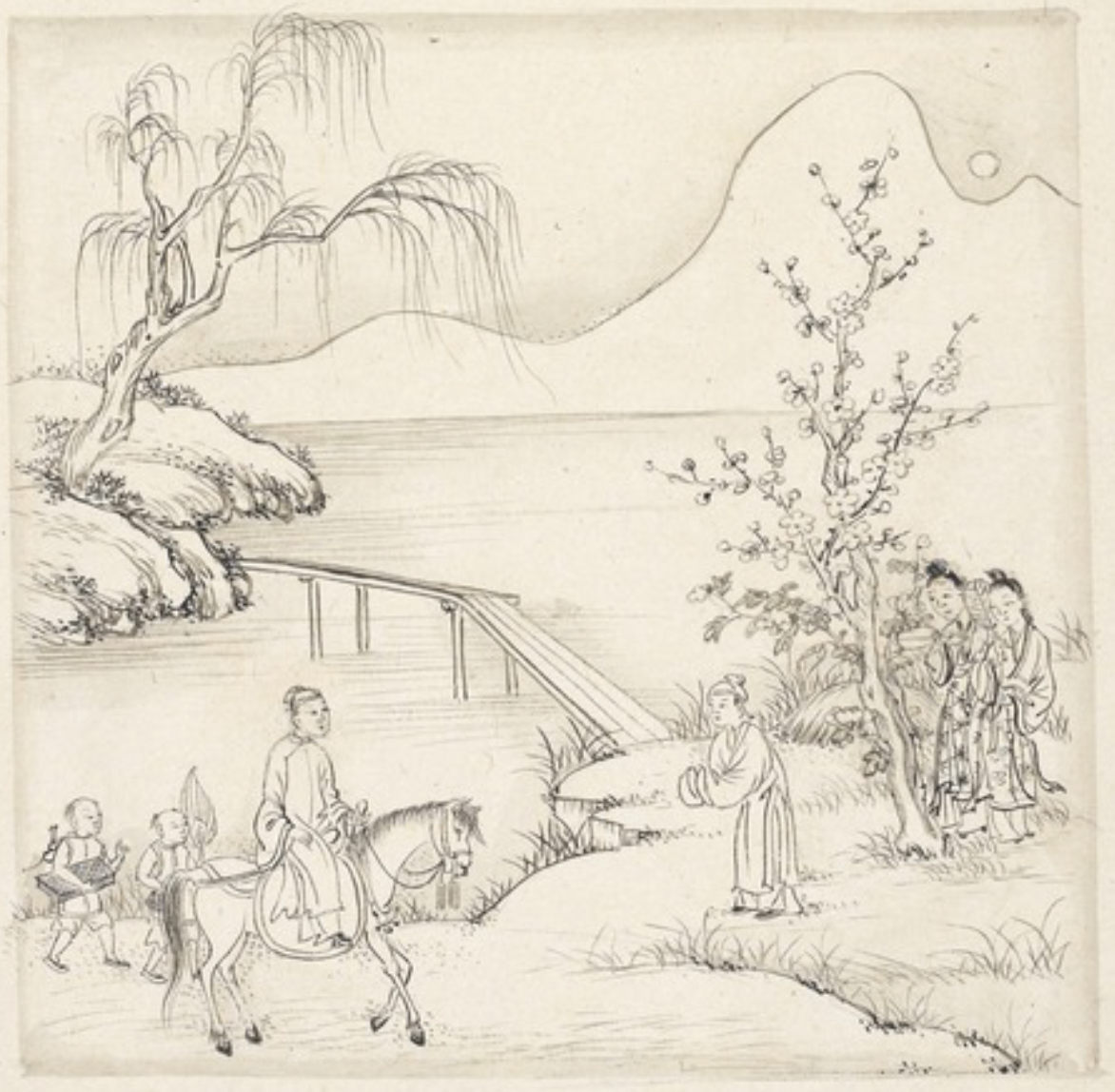
In Vietnamese, the sound kiều connects three very different things: a classic poem, the experience of living abroad, and a bridge. The words have different origins but sound alike. Tracing Kiều takes its name from that echo.
Truyện Kiều
Truyện Kiều, Nguyễn Du’s verse narrative from the early 19th century, is named after its heroine, Thúy Kiều. She sells herself to free her father and brother, endures fifteen years of separation and hardship, and finally returns. Her story can also be read through experiences of migration and displacement: separation, sacrifice, and the complicated idea of coming home.
But the poem’s hold reaches beyond its heroine. For two centuries, Vietnamese people have recited Truyện Kiều, quoted it in everyday speech, and opened it at random to read their fortunes, a practice called bói Kiều. They have also carried it abroad, translated it, and argued over it. What travels is often less the whole book than its language, its moral dilemmas, and its way of thinking about fate and choice.
Việt kiều
Việt kiều is a common term for Vietnamese people living abroad, used especially in Vietnam. Here, kiều is a Sino-Vietnamese word referring to someone residing away from home: a sojourner. But what does it mean to be a sojourner when you have made your life elsewhere, perhaps over several generations?
The term is contested. The term is contested. Some embrace it; others reject it, sometimes because it suggests that they remain outsiders. Alternatives include người Việt hải ngoại (overseas Vietnamese) and người gốc Việt (people of Vietnamese descent). Different generations and migration histories have also shifted how these terms are understood and used.
For Tracing Kiều, the word opens a question rather than defining an identity: what connects people of Vietnamese descent whose histories, languages, and relationships to Vietnam may be very different?
Cầu kiều
Cầu kiều is an expression for a bridge. One interpretation sees it as a combination of cầu, the everyday Vietnamese word for bridge, and kiều, a Sino-Vietnamese word with the same meaning. Such pairings of Vietnamese and Sino-Vietnamese words are not unusual in the language.
The expression appears in a well-known folk couplet, written in lục bát, the same six-eight meter as Truyện Kiều:
Muốn sang thì bắc cầu kiều
Muốn con hay chữ thì yêu lấy thầy.
If you want to cross, build a bridge;
if you want your child to learn, cherish the teacher.
One Sound
The echo between these three words is a coincidence of language, not a hidden etymology. Yet together they sketch what we want to explore: a poem that has traveled across borders, a word for living away from home, and a bridge between places and people.
Through reading, artistic practice, and conversation, we use the poem to explore connections across different histories, generations, and experiences – including those that do not easily fit together.