
Glimpses of Kiều Across the World
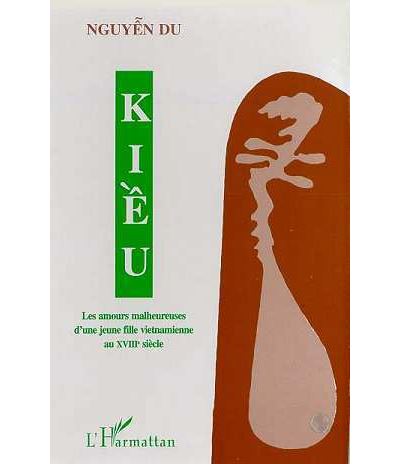
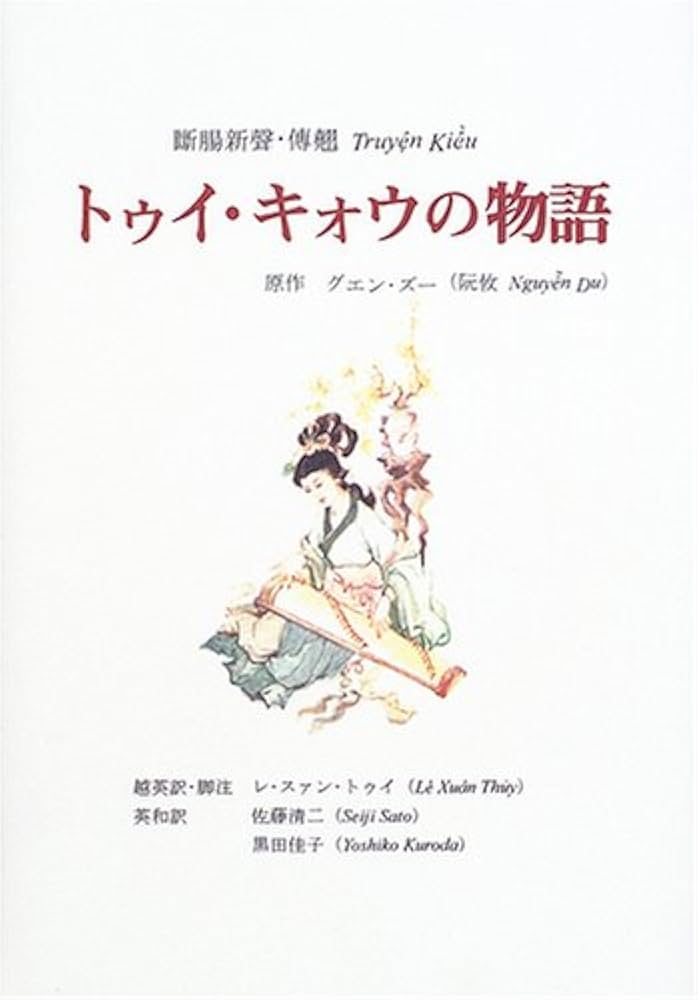
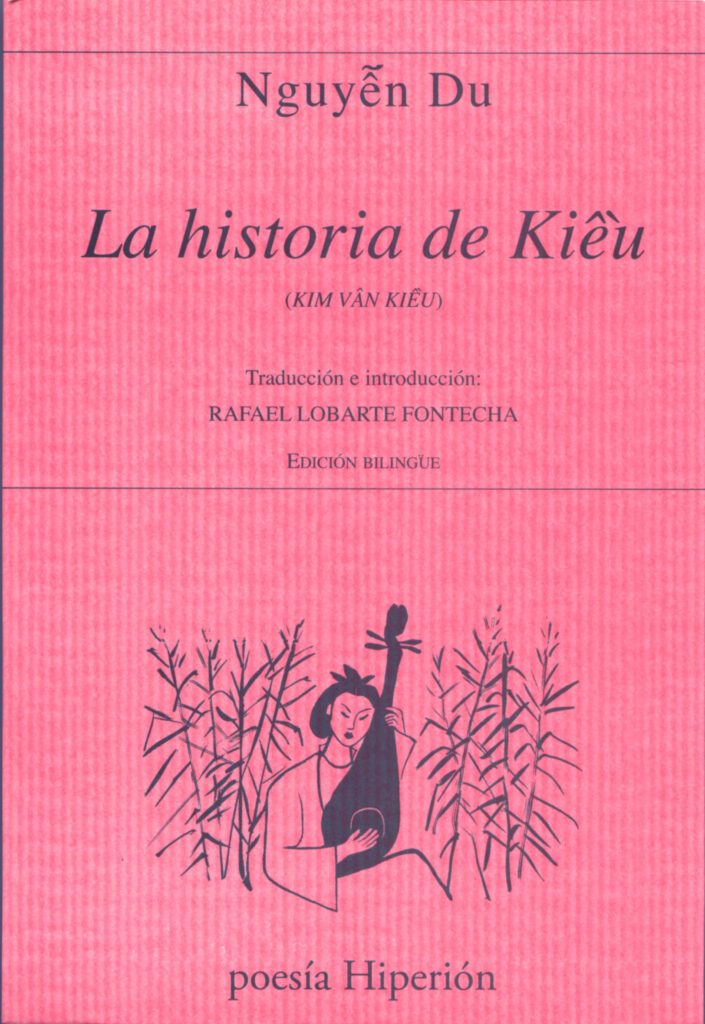
A selection of translations of The Tale of Kiều, reflecting the poem’s global reach.
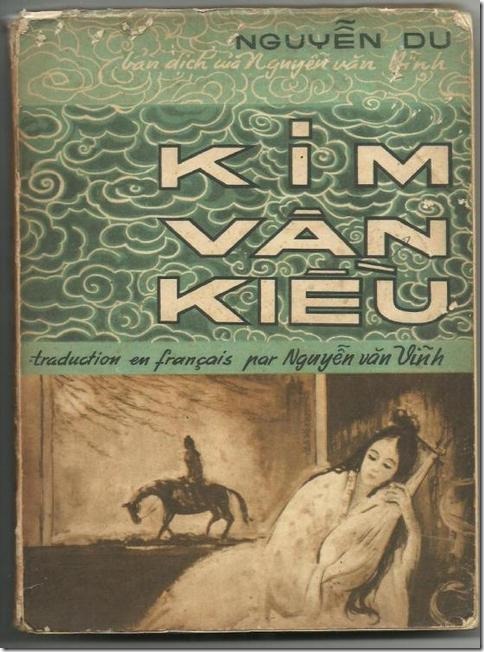
 French translation, Nguyễn Văn Vĩnh, 1942
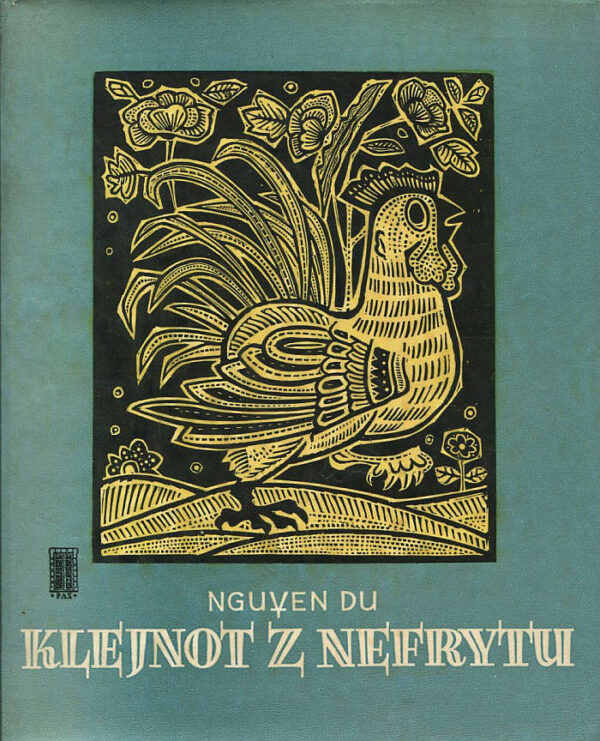
- Czech translation, Gustav Francl, 1958
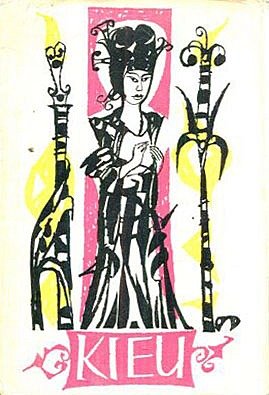
- German translation, Irene & Franz Faber, 1964
- Polish translation, Roman Koloniecki, 1966
- Hungarian translation, Trương Đăng Dung, 1984
- English translation, Huỳnh Sanh Thông, 1983
- Esperanto translation, Lê Cao Phan, 1987
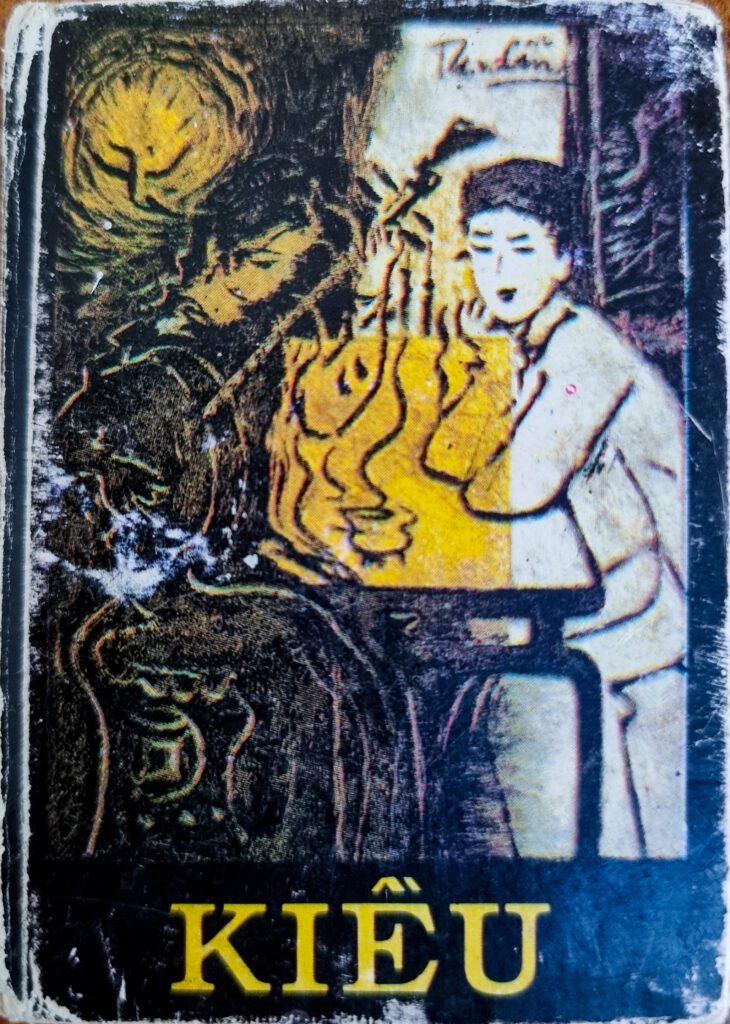
- Pocket-sized Vietnamese edition, 1988
- French translation, Nguyễn Khắc Viện, 1999
- Japanase translation, Sato Seiji & Kuroda Yoshiko, 2005
- Spanish translation, Rafael Lobarte Fontecha, 2013
- Russian translation, Vũ Thế Khôi, 2015
- German translation, Irene & Franz Faber (1964) new edition, 2015
- English translation, Nguyễn Bình, 2025





ABOUT
THE TALE OF Kiều
A brief introduction for readers new to the poem.
The Tale of Kiều (Truyện Kiều), written by Nguyễn Du in the early 19th century, is Vietnam’s most celebrated literary work: a 3,254-line epic composed in lục bát, a traditional Vietnamese verse form built on alternating six- and eight-syllable lines.
Through the story of Thúy Kiều – a young woman whose 15-year journey spans devotion, injustice, separation, and return – the poem explores morality, desire, fate, and resilience in verses of extraordinary lyricism. Its depth and scope have invited comparison to other world classics, including Goethe’s Faust, Shakespeare’s tragedies, Pushkin’s narrative poems, and the 11th-century Japanese classic by Murasaki Shikibu, The Tale of Genji.
A Living Text
From its earliest circulation, Kiều inspired admiration and debate – praised at court, censured by moralists, later reinterpreted by reformers, revolutionaries, modernists, and contemporary artists. Alongside its storytelling, the poem’s vivid imagery and musical lyricism have moved generations, qualities that continue to resonate even in translation. Its ethical and spiritual dimensions reflect Confucian and Buddhist thought, shaped by the values of its era yet engaging with questions that feel universal.
Although inspired by the 17th-century Chinese novel Jin Yun Qiao (金雲翹傳) – a title referring to its three central characters and echoed in the earlier Vietnamese name Kim Vân Kiều, which highlights the trio Kim Trọng, Thúy Vân, and Thúy Kiều – Nguyễn Du’s poem transformed its source into a distinctly Vietnamese work, deepening its emotional register and cultural meaning. The story has circulated under several names: most widely as Truyện Kiều, but also as Đoạn Trường Tân Thanh, an older poetic title.
As scholar John D. Phan observes, The Tale of Kiều weaves together four narrative modes: a Neo-Confucian fairytale of young love; a Neo-Confucian drama of sacrifice and moral tension; a giang hồ adventure beyond the boundaries of orthodox society; and a Buddho-Confucian contemplation in which the story’s threads resolve into a meditation on desire and suffering. This movement across genres contributes to the poem’s remarkable range and complexity.
Kiều’s textual journey is equally significant: Originally written in vernacular Vietnamese using chữ Nôm – a historic script that used adapted Chinese characters to represent Vietnamese – the poem was later printed widely in quốc ngữ, the modern Latin-based writing system. This shift greatly expanded access to reading and supported literacy efforts across Vietnam.
Recent Milestones
Recent anniversaries highlight Kiều’s continuing importance:
UNESCO marked the 250th anniversary of Nguyễn Du’s birth in 2015, recognizing the poem’s universal value.
2025 marked both the poet’s 260th birthday and 150 years since the first widely circulated quốc ngữ edition, celebrated with exhibitions, readings, and performances across Vietnam.
These commemorations coincided with another 2025 milestone: 50 years since the end of the Vietnam-American War, often seen as the beginning of large-scale overseas Vietnamese migration. Yet the Vietnamese diaspora reaches further back – to colonial-era movement, the aftermath of the French Indochina War, Cold War study exchanges and labor contracts, and ongoing transnational family ties. Kiều has traveled with these histories, carried across languages, borders, and generations.
Transmission & Transformation
Within Vietnam, Kiều is widely taught in school, illustrated, performed, quoted, staged, and filmed. Across borders, it has been translated into more than 20 languages. Yet while well known among specialists, it remains underrepresented in global literary conversations.
Across the Vietnamese diaspora, the poem’s reception varies widely: it may be revered, fondly cited, half-remembered, debated, reclaimed, or encountered for the first time. For some, it is a childhood echo; for others, it becomes a rediscovery in adulthood. For many younger voices, it appears only in passing references whose deeper meaning feels out of reach, a story known more by name than detail.
How a text is read also shapes how it lives. From bói Kiều – the folk practice of opening the poem at random for guidance – to contemporary reinterpretations, each act of reading keeps Kiều alive and in motion.
Tracing Kiều brings these varied relationships into conversation and opens the poem to new creative contexts, sharing its many afterlives with global audiences.